


34 Japanese Souvenirs: Gifts, Snacks, and Small Items Loved Abroad
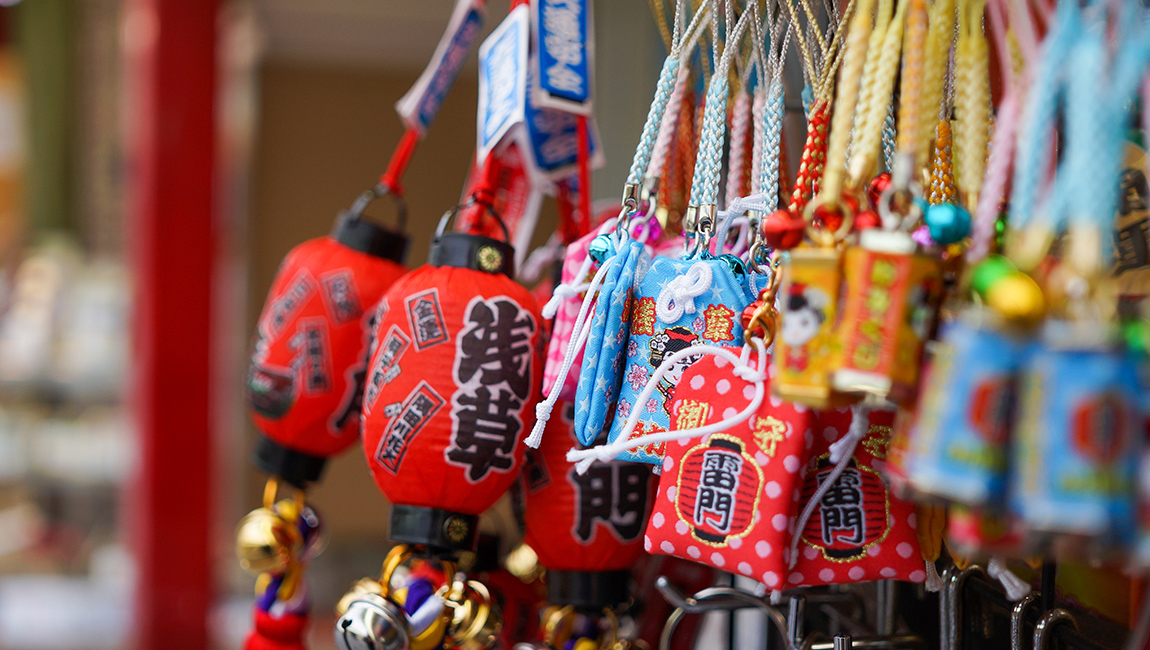


If you are traveling from Japan to visit someone overseas, or welcoming an acquaintance from abroad to Japan, you may find yourself wondering, “What kind of Japanese souvenir would they appreciate?”
In this article, we share our recommendations for Japanese souvenirs, along with tips on how to choose them.
Note: The information in this article is current as of July 2026.

Tips for Choosing Japanese Souvenirs

When choosing a souvenir, it helps to keep the following points in mind:
- ● Something that is difficult to find locally
- ● Handy in size and weight that is easy to carry
- ● Beautiful packaging or a distinctly Japanese design
- ● The recipient's preferences and any allergies
Recommended Souvenirs for Friends and Acquaintances from Abroad
When choosing a souvenir for a friend at or from abroad, gifts that feel distinctly Japanese, practical, and easy to carry tend to be especially well received.
Below are some ideas by category.
Folding Fans
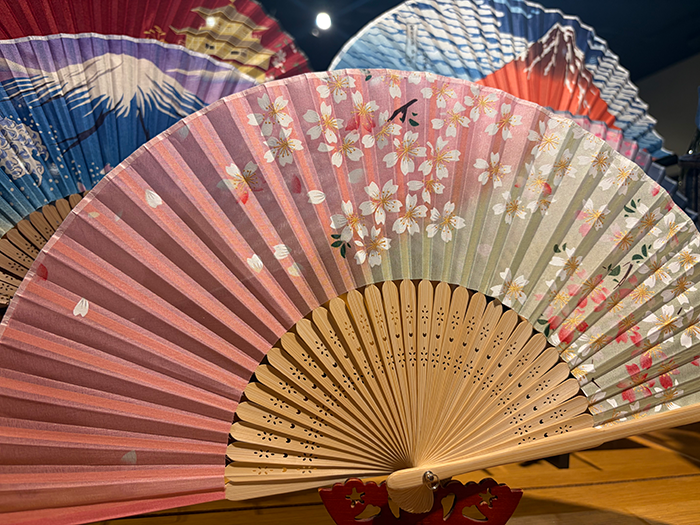
When you want to choose one item that clearly says "Japan," you can’t go wrong with a folding fan. It has a traditional Japanese look, yet is genuinely useful on a hot day, so it isn't just for display. Choosing a seasonal pattern or a calm, elegant color makes it an easy gift to give to people of any age.
Chopsticks and Chopstick Rests
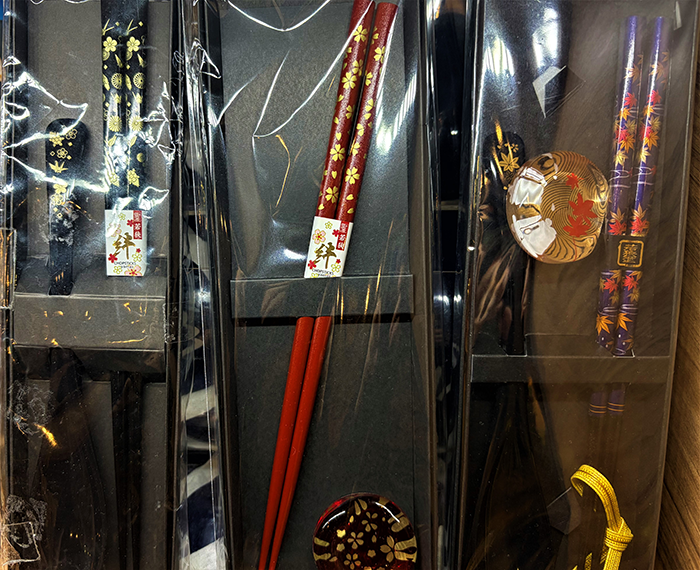
Chopsticks are a souvenir that conveys Japanese food culture while being light and easy to pack. Wooden chopsticks with a traditional pattern give a distinctly Japanese impression, and adding a chopstick rest makes for a nice set to use at the table. In places where using a personal pair of chopsticks every day isn't common; this can also be a fun new experience for the recipient.
Tenugui and Japanese-Patterned Handkerchiefs
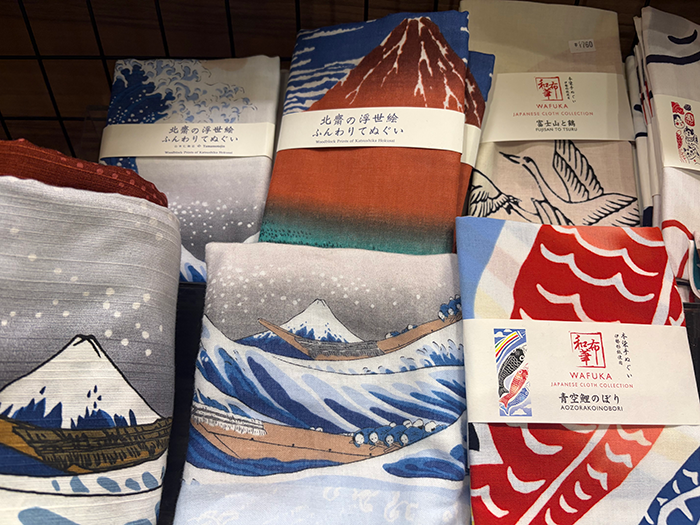
Tenugui are traditional Japanese cloth items—thin, light, and never bulky. Originally an everyday practical item, many tenugui today have striking designs, and they can be used as a hand towel, a wrapping cloth, worn like a scarf, or even displayed as interior decor. Motifs like cherry blossoms or classic Japanese patterns tend to feel fresh and appealing to people abroad.
Origami Sets
An origami set is a souvenir that lets you share not just an object, but time spent together. Simply folding one sheet on the spot is often enough to break the ice, even without exchanging many words. It's a great choice for families with children, but it's just as enjoyable for adults, as a natural conversation starter.
Masking Tape
Japanese masking tape has become popular overseas as a stylish, practical stationery item, and it tends to be well received as a souvenir. With a wide range of designs—Japanese patterns, seasonal motifs, colorful prints—it lets the recipient enjoy the delicate design sense Japan is known for. Its appeal lies in how easy it is to stick and peel: it can be used for decorating letters and notebooks, for gift wrapping, or for home decor.

Mt. Fuji Goods
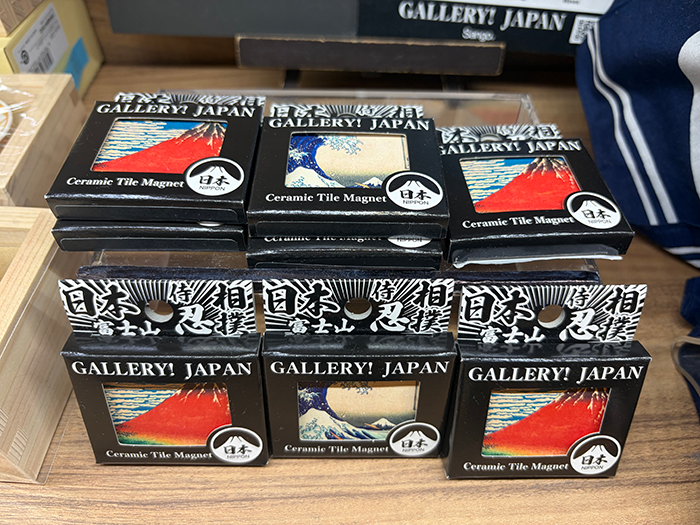
Mt. Fuji is one of the most iconic symbols of Japan, so items featuring it communicate "this is a souvenir from Japan" without needing much explanation. Keychains, stationery, tableware, and other small goods come in a wide variety, making it easy to find something to fit the recipient's taste. Simpler designs are practical for everyday use and often make a good conversation starter, too.
Maneki-neko Goods
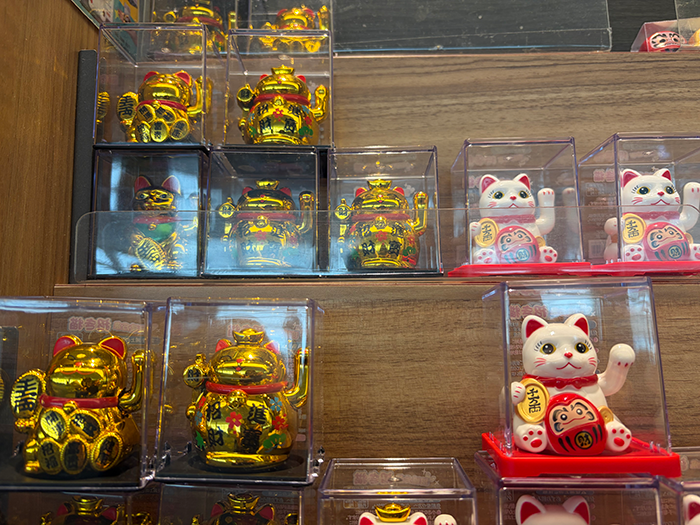
The maneki-neko, or beckoning cat, is a distinctly Japanese good-luck charm said to invite good fortune, prosperity, and positive relationships. Beyond being simply cute, it carries a genuinely positive meaning. Mentioning that it's meant to "invite good fortune" when you give it adds a nice personal touch to a small, charming gift.
Daruma Dolls and Daruma Goods
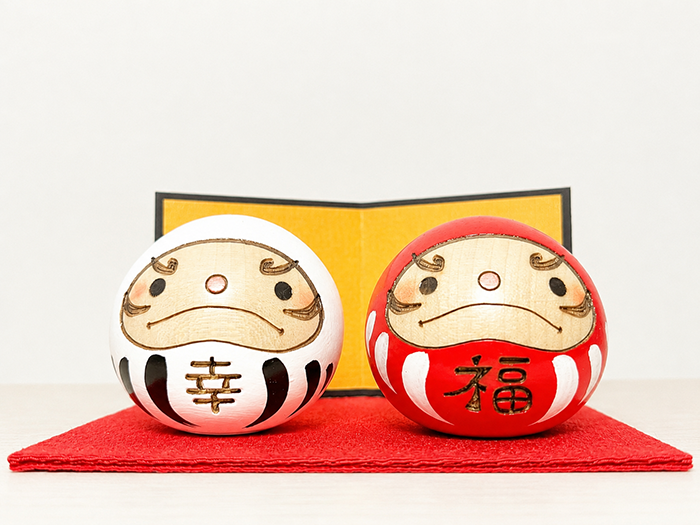
The daruma doll is cherished in Japan as a good-luck item for making wishes, symbolizing goal achievement and success. A well-known custom is to paint in one eye when making a wish and the other once it comes true—a unique story that tends to fascinate people overseas and makes the gift more memorable. Alongside traditional daruma, colorful, cute designs and compact goods such as keychains and small figurines are increasingly common, making it an easy gift to give casually.
Traditional Crafts
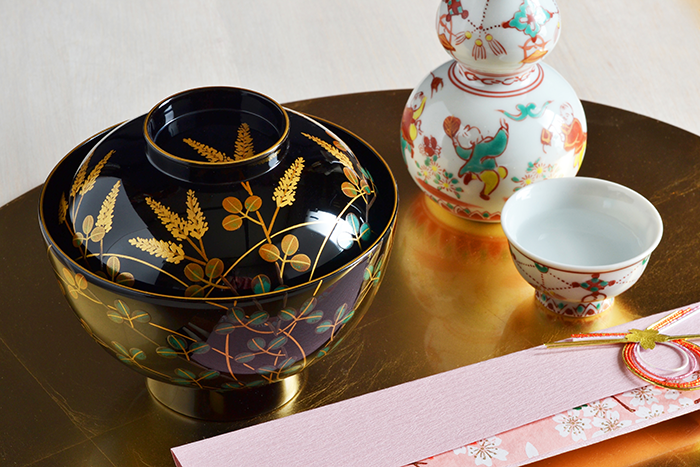
If you want to choose a slightly more formal gift, traditional crafts are a strong option. Ceramics such as Kutani ware stand out for their vivid colors and delicate hand-painted designs, conveying a beauty that is distinctly Japanese. Lacquerware, on the other hand, has a quieter luster and a texture that feels good in the hand, and it only grows more appealing the longer it's used.
These traditional crafts make a fitting "slightly special" gift for someone important to you or someone you’d like to thank properly—a more premium gift that conveys Japanese tradition and aesthetic sense.
HI-CHEW
HI-CHEW is an easy, casual gift that can be enjoyed right on the spot. Even though it's a familiar type of candy, choosing distinctly Japanese flavors brings out a "this is familiar, yet somehow new" kind of fun. Because pieces are individually wrapped and easy to share, it's a good fit for homestay families or groups of friends.
Japanese KitKats and Limited-Edition Flavors
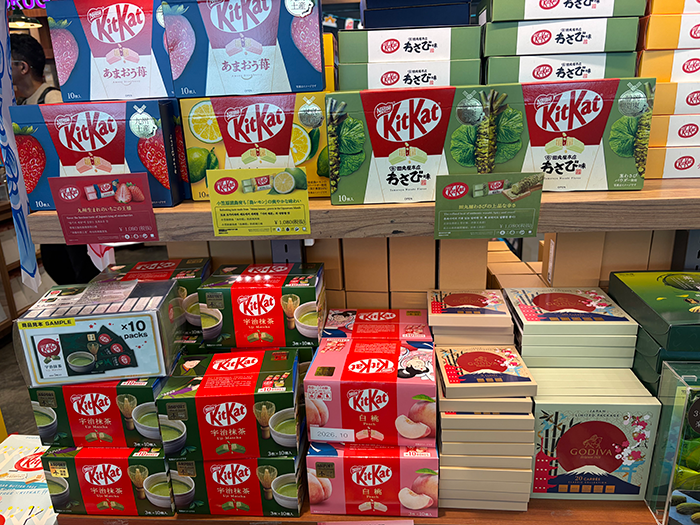
KitKat is a sweet known worldwide, but in Japan, limited-edition flavors found nowhere else—such as matcha, hojicha, sakura, strawberry, or even sake-inspired versions—are sometimes available. Because of this, it can deliver a fun sense of surprise: "I know this sweet, but I didn't know it came in this flavor!"
It's individually wrapped and easy to share, light and never bulky, making it an ideal small gift for a homestay family, friends, or coworkers. The packaging often features Japanese-style designs as well, adding to the sense that it's distinctly from Japan.
Dagashi Assortments
Dagashi are inexpensive Japanese snacks and candies that let people casually enjoy a uniquely Japanese snack culture. Beyond the flavors themselves, the packaging and playful names are packed with a charm distinct to Japan, often sparking a natural "what is this?" conversation. Because dagashi are affordable, they are easy gifts to give without hesitation—a familiar, memorable souvenir that introduces a bit of Japan's everyday life and childhood culture.
Japanese Seasonings
Soy sauce, dashi, ponzu, miso, shichimi pepper, and other Japanese seasonings represent the foundation of Japanese food culture. These days, some come in small bottles, single-use packets, or occasionally with English labeling aimed at overseas recipients, which can make them a little easier to choose as a souvenir. Dashi packets and flavored salts are especially simple to use, even for someone trying them for the first time.
They tend to be particularly well received by people who enjoy cooking, and often spark a "how do you use this?" kind of conversation.
Character Goods (Doraemon, Pokémon, Studio Ghibli, Sanrio, etc.)
If the recipient has a favorite series or character, character goods can be an especially satisfying souvenir. Items with Japan-exclusive designs or Japanese motifs stand out not just as character merchandise, but as a memento of the trip itself. Because you can tailor the choice to something the recipient already loves, it's easy to pick something that clearly fits—and hard to get wrong.
Capsule Toys
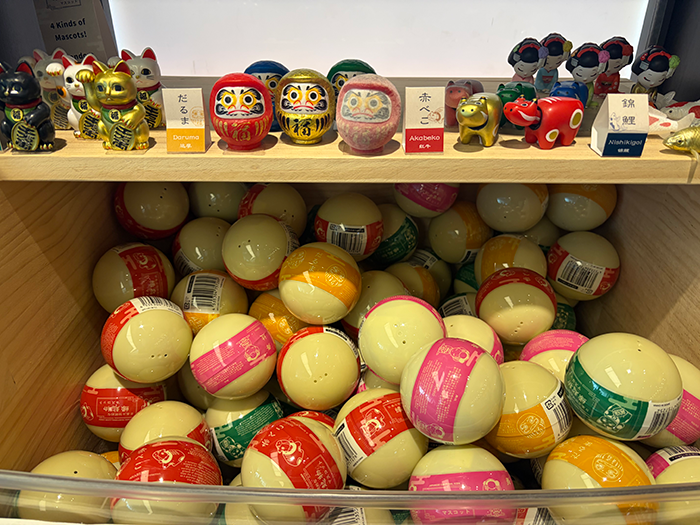
Part of the appeal of capsule toys is that you get to give the excitement of opening them, not just the toy itself. They're also affordable, so it's easy to buy several and hand them out, making them a nice small gift for a family with several members. Being light, compact, and sturdy also makes them easy to bring along on a long trip.
Recommended Souvenirs for Japanese People Living Abroad
For Japanese people living overseas, the souvenirs that are genuinely appreciated tend to share a few key traits: they're distinctly Japanese items that are difficult to find locally, they're useful in everyday life, and they're compact and easy to pack.
Japanese Seasonings for Home Cooking (Dashi, Soy Sauce, Miso, Mentsuyu)
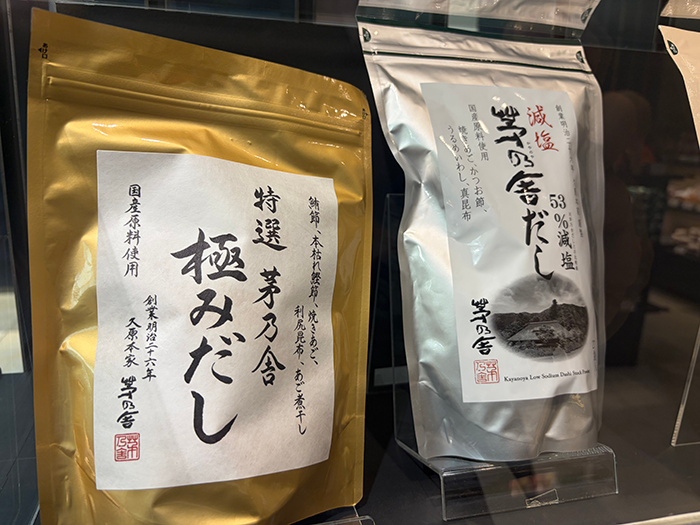
Dashi, soy sauce, miso, and mentsuyu (noodle soup base) are essential to the taste of Japanese home cooking. Similar products can sometimes be found locally, but the flavor and aroma are often different from the Japanese originals, and many people find themselves feeling that "Japanese seasonings are simply better"—a reliably popular choice.
Single-use packets and small bottles, in particular, are convenient for storage and travel since they can be harder to find locally. A slightly higher-end soy sauce can also feel like a treat—something people say they "wouldn't buy for themselves."
Instant Ramen and Cup Noodles
The biggest appeal of instant ramen and cup noodles is how easily they let someone enjoy a taste of Japan—just add hot water or prepare them with only a few simple steps. They can be a comforting presence on a busy day, or whenever the craving for Japanese ramen strikes.
Flavors and well-known brands that are hard to find locally tend to be especially appreciated. When choosing these as a souvenir, it's worth prioritizing a long shelf life, which makes them easier to carry and store and lets the recipient enjoy them whenever suits them.
Ochazuke (Rice with Tea or Broth) Seasoning Packets
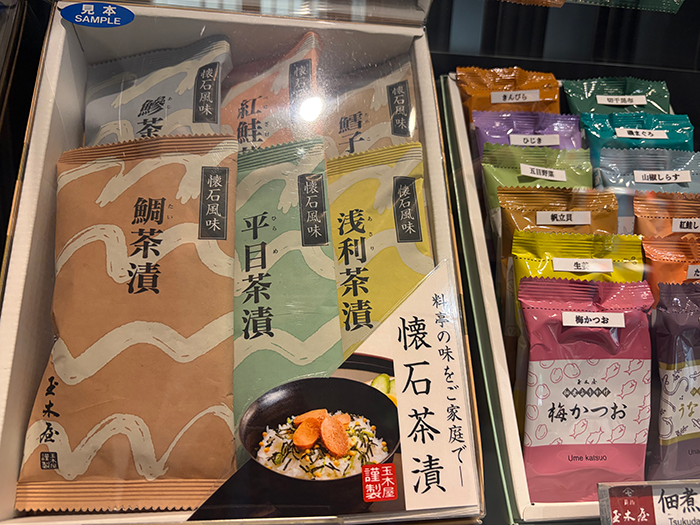
All you need is a bowl of rice—just add hot water or green tea for an easy taste of Japan. It's the kind of souvenir people are grateful for on a busy day, or when they don't have much of an appetite and could use something simple.
A comparatively long shelf life also makes it well suited as a souvenir. The standard flavors are appreciated on their own, but choosing a version with a more carefully made dashi adds a small extra touch of quality.
Freeze-Dried Miso Soup and Clear Soup
Freeze-dried miso soup and clear soup deliver the simple comfort of "having a bowl of soup with the meal" in a form that travels easily.
Versions with a slightly higher price point, or with carefully selected ingredients and dashi, are the kind of thing people rarely buy for themselves, which makes them feel like a treat as a gift. For someone living overseas with family, it also tends to be welcomed as something "the whole family can enjoy together" and a reminder of a meal back home in Japan—a gift that conveys both practicality and thoughtfulness, well suited to Japanese people living abroad.
Furikake
Sprinkle it over rice, and it instantly brings back the feel of a Japanese meal. The variety available can be limited abroad, so both the classic Japanese flavors and some of the more unusual ones tend to be genuinely valued.
Individually wrapped versions or assortments of small packets are easy to store and simple to use a little at a time. Standards like nori, salmon, and plum are always a safe choice, alongside more distinctive dashi-based or slightly more grown-up furikake blends.
Japanese Curry Roux
Even using local ingredients, Japanese curry roux makes it easy to get close to that familiar, comforting flavor. It's a great option both for someone living abroad on their own and for a family living overseas together.
Beyond mild, medium, and hot varieties, there are also Vermont-style, European-style, and more premium lines of roux to choose from. Choosing a version with a reasonably long shelf life and sturdy, crack-resistant packaging makes it easier to travel with. Curry roux is a satisfying way to deliver the taste of Japanese home cooking, just as it is.
Ready-Made Chinese Seasoning Mixes(Cook Do)
A convenient and appreciated souvenir for Japanese people living abroad is a ready-made seasoning mix like Cook Do. Japanese-style Chinese dishes can be made with local ingredients, but Japanese Cook Do is balanced specifically for Japanese tastes, making it fairly hard to get wrong.
With just some vegetables and meat on hand, the recipient can easily recreate familiar dishes like twice-cooked pork, mapo tofu, or shredded pork with green peppers.
Green Tea, Hojicha, and Genmaicha
Green tea, hojicha, and genmaicha bring not just their own distinct flavors, but a sense of calm and relaxation. Tea bags and smaller packages of loose-leaf tea are both easy to pack and store, making them well suited as souvenirs.
Everyday, casual teas are fine as a gift, but choosing a slightly higher-quality tea, or one tied to a particular growing region, tends to be even more appreciated—the kind of thing people say they "wouldn't buy for themselves."
Packaged (Pouch) Rice
It isn't always easy to find rice abroad with the same texture and taste as Japanese rice, so pouch rice that's ready in just a few minutes with a quick heat-up can be a real help—delivering "the Japanese rice you're used to" whenever it's needed.
Beyond plain white rice, Japanese varieties such as multigrain rice or rice with mochi barley are also worth choosing. It pairs well with retort-pouch curry, furikake, and other seasonings, and can add variety to a meal. It is a little on the heavier side to carry, but its long shelf life makes it easy to store.
Sake and Other Japanese Alcohol
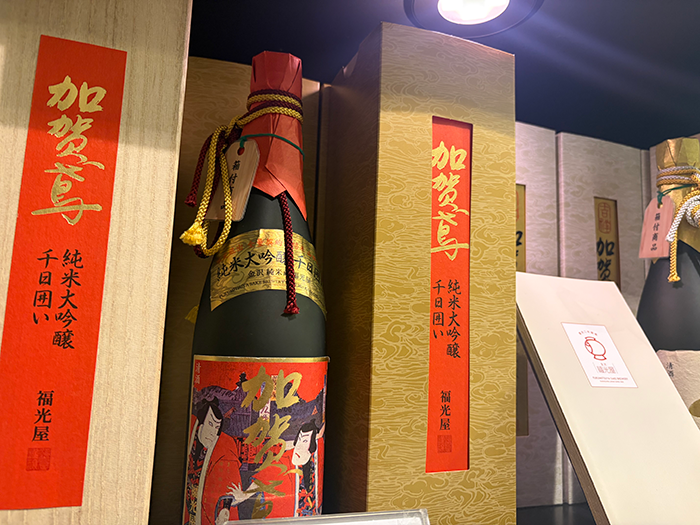
In recent years, sake has been enjoying a global boom—Dassai, for example, has even opened a brewery in New York[Official website]—and interest in Japanese sake continues to grow worldwide.
Even so, the brands and flavors available locally are often limited, and many people who receive a familiar brand of sake they're used to drinking in Japan, or one of especially high quality, feel that "it's just not the same" as what's available abroad. Japanese whisky is also a genre that's highly popular among Japanese people living overseas, alongside sake.
On the other hand, a surprisingly well-loved choice is canned chu-hi (a Japanese sparkling alcoholic drink). Some people say it's the gift they're happiest to receive—an easy way to feel a bit of Japan in everyday life while living abroad.
Dried Foods (Nori, Hijiki, Dried Daikon Strips, Shiitake Mushrooms)
Dried foods keep well and are light and easy to pack, which makes them a genuinely practical souvenir. These ingredients can be hard to find abroad, or the quality and variety may be limited, so having Japanese dried foods on hand makes it noticeably easier to prepare a familiar Japanese meal.
Fragrant nori in particular, along with hijiki and dried daikon strips that just need soaking, and dried shiitake mushrooms that add rich flavor to broth, are all useful across a wide range of dishes—miso soup, simmered dishes, rice cooked with other ingredients, and more. Because they let someone add a touch of Japan to an everyday meal with little effort, they're especially valued in a busy life abroad.
Japanese Sweets and Snacks in General
Japanese sweets are popular abroad too, but the specific products actually available there are often limited, so receiving the everyday standards or seasonal limited editions that someone knows well from Japan can feel especially special.
Chocolates, senbei rice crackers, cookies, and traditional Japanese confections are all good choices. Individually wrapped versions are easy to share with family or coworkers, and many keep well for a while, which is another point in their favor as a souvenir. Combining something sweet with something savory tends to be even more appreciated.
Ceramics (Sake Cups, Small Plates, Small Bowls)
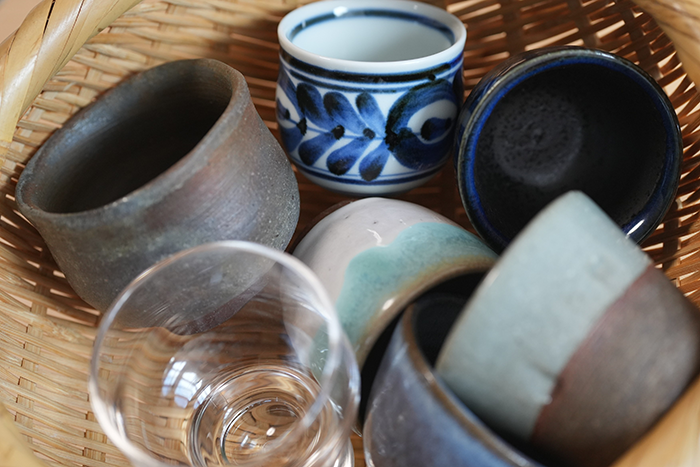
Ceramics such as sake cups, small plates, and small bowls (mamezara) are versatile items that work well whether they're actually used or simply displayed. Sake cups in particular take up very little space and can also be enjoyed as a small decorative piece, making them an easy souvenir to choose.
They also pair nicely as a gift alongside sake or tea. When you want to give something that will last longer than a food item, ceramics are a fitting choice.
Bath Salts with Hinoki or Sakura Scents
Distinctly Japanese scents like hinoki (Japanese cypress) and sakura (cherry blossom) are hard to come across abroad. Part of the appeal is that the fragrance itself can evoke Japan's nature and seasons.
In some countries and living environments, showers may be more common than baths, so having bath salts like these on hand can bring back a nostalgic feel for Japan's bathing culture for many people. Since it's a consumable item, it's easy to give without hesitation, offering both practical use and a lift in mood.
Incense
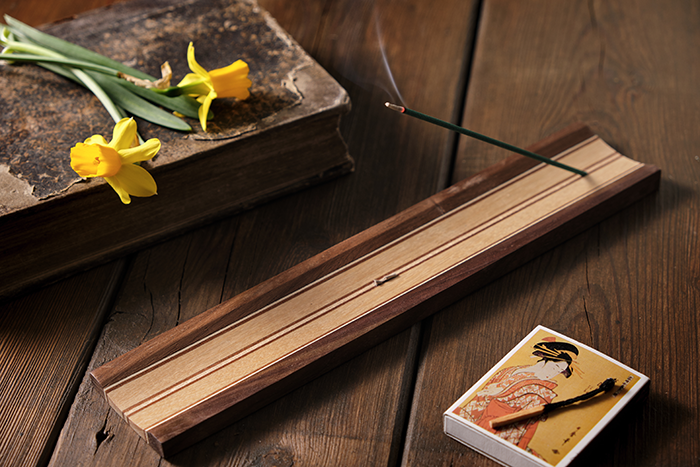
Incense is a souvenir that tends to be especially appreciated by Japanese people living abroad. Simply lighting it helps settle the space around you, offering a moment of calm even in a busy daily routine—delivering a sense of Japanese aesthetics and tranquility just as it is.
Scents like sandalwood (byakudan) and agarwood (jinko) are understated and refined, offering a distinctly Japanese fragrance profile that's hard to find abroad. Many people say it brings back memories of a Japanese tatami room, a temple, or a trip to Japan, helping them feel closer to home.
Being light and never bulky, and a consumable item like bath salts, it's an easy gift to give.
Japanese Basic Skincare Products
Basic skincare products are something people use every day, so the reassurance of a familiar, trusted product is a big part of their appeal as a gift. Skincare items are available abroad too, but they don't always suit every skin type, and the texture or fragrance can feel different—leading many Japanese people to feel that Japanese products are ultimately what suits them best.
Small sizes or travel-size versions are easy to give and offer real everyday value as a practical gift. Items from a brand someone already uses regularly, or products that can't be purchased outside Japan, tend to be especially valued.
Oil-Blotting Paper
Japanese oil-blotting paper is known for its soft texture and strong absorbency—a level of quality distinctly associated with Japan. Blotting papers exist abroad too, but people who are used to the Japanese products tend to notice the difference clearly.
It's compact, light, and never bulky, making it easy to pack as a souvenir. Choosing a version from a Kyoto-based brand, or one with an elegant, Japanese-patterned package, adds a small extra touch of specialness.
Japanese Pain-Relief Patches(Salonpas)
Stiff shoulders, lower back tension, and the general fatigue that comes with standing jobs or desk work are common complaints even for people living abroad. Adhesive pain-relief patches exist locally too, but many Japanese people find that Japanese Salonpas patches simply feel right in terms of scent, effectiveness, and how comfortably they stick.
They come in compact sizes that are easy to carry and simple to use whenever needed—making them a handy item after exercise, after hours spent sitting on a plane, or in all kinds of everyday situations.
Stationery
Japanese stationery is known for its excellent balance of design, function, and ease of use. Stationery is available abroad as well, but it's rare to find the same breadth of variety as in Japan, and products designed with this much attention to the user's needs are not as common as one might expect.
Erasable ballpoint pens, multifunction pens, and mechanical pencils with lead that resists breaking are the kind of items that make Japan's craftsmanship apparent every time they're used.
Things to Keep in Mind When Bringing Souvenirs Home

Watch Out for Prohibited Items
When bringing souvenirs abroad, it's important to be aware of items that are restricted or prohibited on entry. Depending on the country, meat products, dairy products, and fresh foods, as well as items made from plants or animals, may be strictly restricted or banned.
It would be a shame to have a carefully chosen souvenir confiscated at the border. Be sure to check the rules of the destination country in advance, using official sources such as the customs and quarantine authorities of that country, to confirm the latest information.
Reference: Animal Quarantine Service
Pack Fragile Items and Liquids Carefully
If you're choosing something fragile or liquid as a souvenir, careful packing is essential. Impact during travel or changes in air pressure can cause breakage or leaks, so wrap items in cushioning material or place them in sealed bags as needed.
Rules differ between carry-on and checked baggage, so it's worth checking the guidelines from your airline or departure airport in advance—liquids in particular are subject to strict volume limits.
Taking this extra care in preparation is key to making sure your souvenir arrives safely. A little advance planning and careful packing go a long way toward making the gift a pleasant experience for the recipient.
Be Mindful of Allergies and Religious Considerations
Allergies and religious considerations are also important when choosing a souvenir. This is especially true for food: depending on the country or the individual, certain ingredients may need to be avoided, so it's a good idea to check ingredient labels in advance.
If you're unsure, it can help to choose products with clear, easy-to-check ingredient labeling, or to consider a non-food souvenir instead. A little extra care here goes a long way toward making sure the recipient can enjoy the gift with peace of mind.
Make Souvenir Shopping and Overseas Travel Smoother with GLOBAL PASS
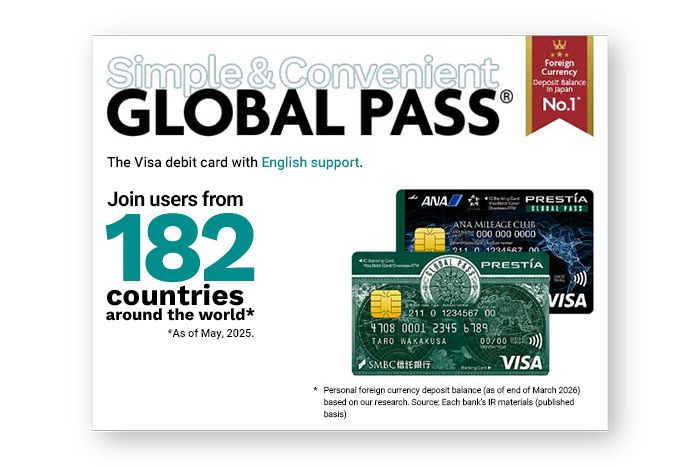
If you are looking for a debit card to use in Japan and abroad, GLOBAL PASS is the debit card for you.
What is GLOBAL PASS?
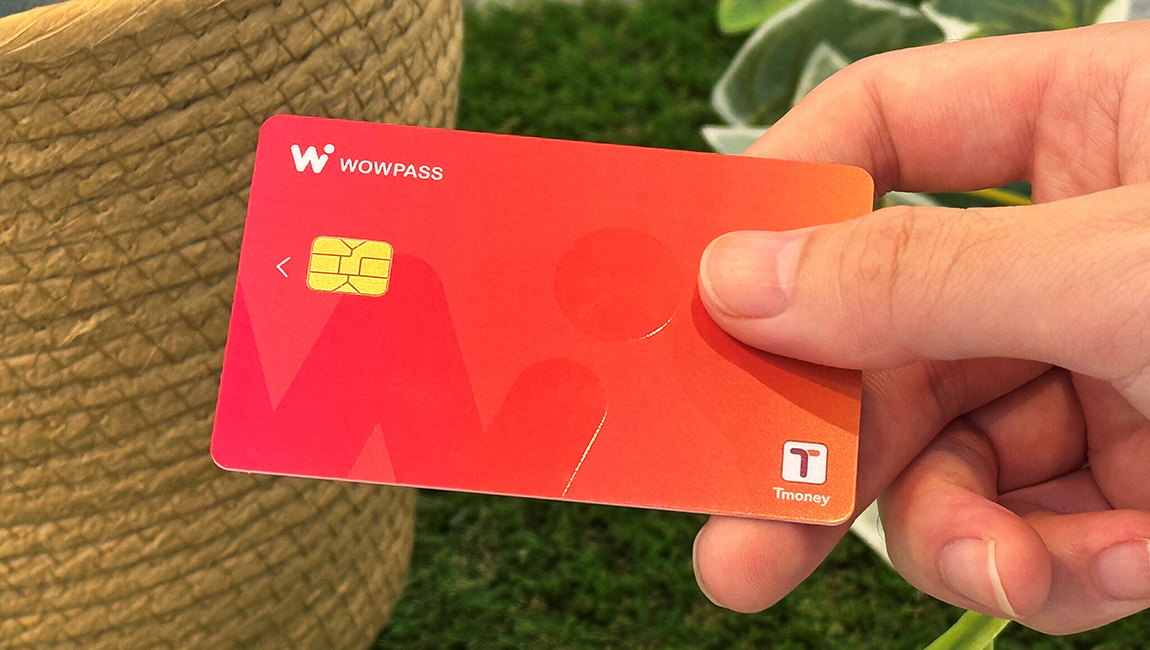
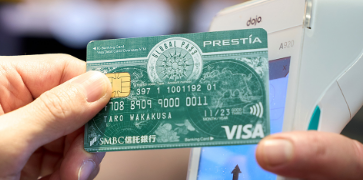
GLOBAL PASS (Multi Currencies Visa Debit with Cash Card) is a Visa debit card issued by SMBC Trust Bank PRESTIA.
Point
- ● Unlike a credit card, no credit score is required when you apply.
- ● You can only spend the amount within your bank account balance, which helps avoid overspending / interest (spending limits can be set).
- ● To get your GLOBAL PASS, all you have to do is open a bank account.
- ● Yen and 17 foreign currencies, more currencies than any other debit cards issued in Japan.
GLOBAL PASS is linked to Yen and foreign currency deposits in your bank account and can be paid in 17 foreign currencies in addition to Japanese yen for shopping and cash withdrawals. Whether you are in Japan or overseas, GLOBAL PASS will be your good companion.
Shopping
Compatible with Visa and J-Debit (*2), you can make purchases in Japan and overseas, often by tap to pay.
[Merchants that can be used]

*2 J-Debit is available in Japan only.
Cash withdrawal at ATMs
GLOBAL PASS also functions as a cash card. In Japan, you can deposit and withdraw cash at ATMs such as Sumitomo Mitsui Banking Corporation, Japan Post Bank, and Seven Bank, as well as SMBC Trust Bank PRESTIA (*3).
[Available ATMs]
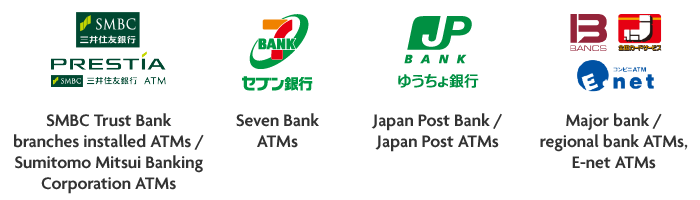
And when you need cash outside of Japan, you can withdraw its local currencies at ATMs marked with Visa or PLUS in over 200 countries and regions worldwide with no overseas ATM fees (*4).
*3 FREE withdrawals / deposits at Sumitomo Mitsui Banking Corporation ATMs.
*4 No overseas ATM fees are charged, but ATM owner fees may apply.
Comprehensive English Support
SMBC Trust Bank PRESTIA offers comprehensive English language support.
The following services are all provided in English.
Point
- ● Check debit card usage and manage transaction limits online
- ● Online banking
- ● SMBC Trust Bank App
- ● Friendly staff assistance (phone / in branch)

Family Cards
You can apply for up to two family cards of GLOBAL PASS.
Functions and services are the same as the primary card.
Notes:
Family cards can only be issued to family members such as your spouse and children who are the age 12 years or older.
Alert Service
Register for PRESTIA Alert Service to receive e-mail alerts.
Point
- ● Withdrawals / transfers made with your card
- ● Shopping transactions
- ● Invalid PIN input at domestic ATMs
- ● Online banking Sign Ons (both successful and failed)
- ● Online fund transfers to an unregistered domestic payee
PRESTIA Alert Service helps you recognize when there has been unauthorized use.
This feature can be especially useful when you issue a family card for a child who is studying or planning to study abroad. Card usage alerts can be sent to your registered email address, helping you keep track of card transactions more easily.
Frequently Asked Questions About Japanese Souvenirs

What kind of Japanese souvenirs do friends at or from abroad tend to appreciate?
Souvenirs that feel distinctly Japanese, are easy to carry, and have practical everyday use tend to be especially well received by friends who aren't Japanese. Classic, easy choices include folding fans, chopsticks, Japanese-patterned small goods, and distinctly Japanese sweets. Choosing based on the recipient's tastes and lifestyle tends to result in a gift they're even happier with.
What kind of souvenirs do Japanese people living abroad appreciate?
Japanese people living overseas tend to appreciate the taste of Japan that's difficult to find locally, as well as practical items they can use in daily life. Seasonings, furikake, tea, and freeze-dried miso soup are all easy to work into everyday meals and are classic souvenir choices. Choosing based on the recipient's living situation and family makeup tends to result in a more genuinely useful gift.
What should I be careful about when bringing food as a souvenir?
If you're bringing food with you, it's important to check your destination country's import rules in advance. Depending on the country, meat products, dairy products, and fresh foods, as well as items made from plants or animals, may be restricted. It's also a good idea to check ingredient labels in advance, since the recipient may need to consider allergies or religious dietary restrictions.